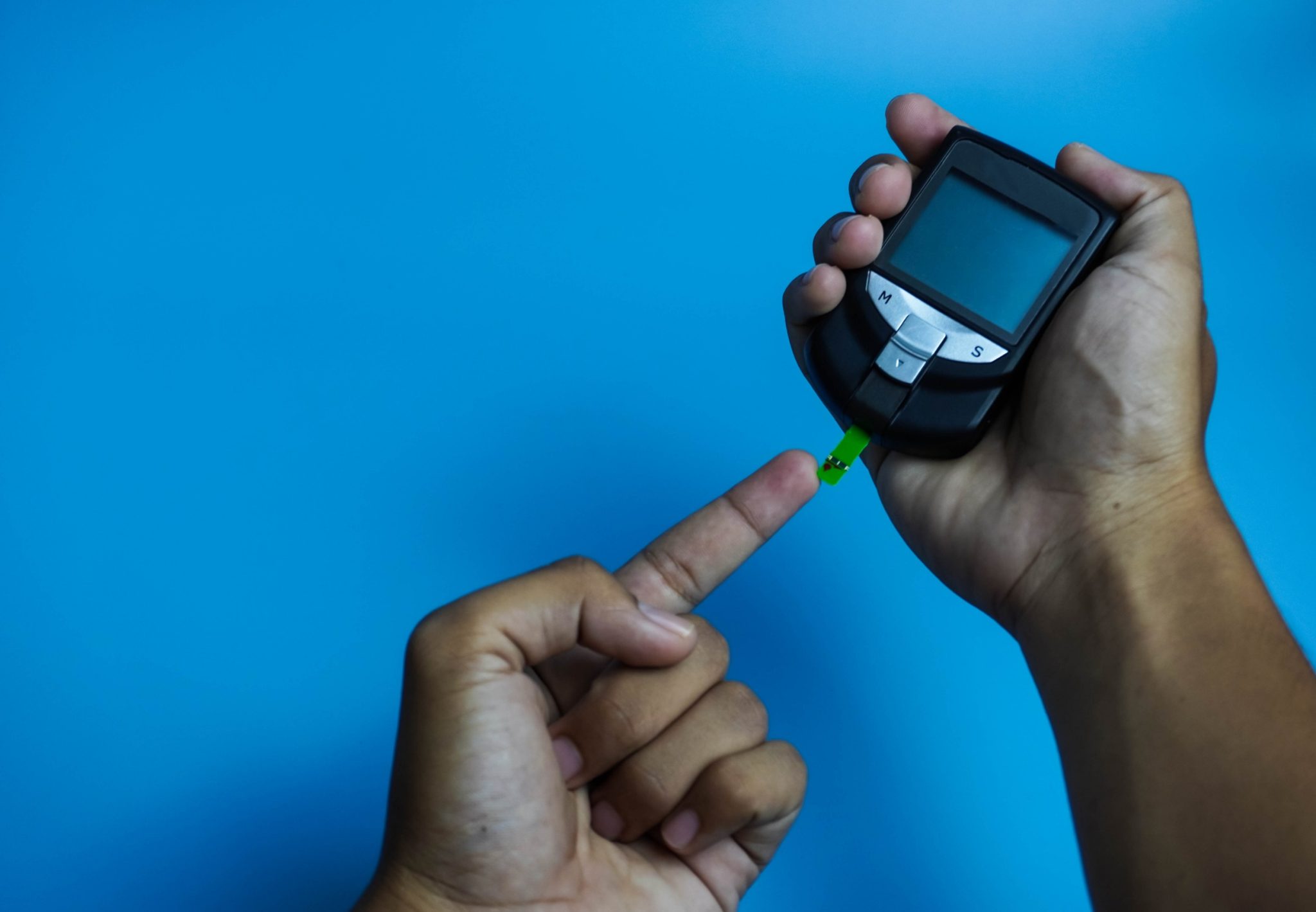
Are you looking for guidance on diabetes compensation claims? Do you feel that your diabetic condition was missed or made worse by poor treatment? This guide explains your options after medical negligence and what you can do to seek compensation for your pain, suffering and financial losses.
The guide will start by defining diabetes as a condition and what a compensation claim like this needs to show. After this, we explain the essential evidence that can support a diabetes claim. Time limits apply when claiming for medical negligence and we discuss these before looking at compensation itself – what it can cover and how it is calculated.
The final section of our guide explores how one of our solicitors could help build your claim and represent you using a type of No Win No Fee agreement.
As you read, please feel free to connect with our friendly advisors at any point. They offer free information and guidance, and can also provide an assessment of your claim. If it’s strong, they could connect you to a solicitor to get started today:
Discuss your medical negligence claim on 0800 073 8804
Ask the live chat a question about negligent treatment.
The NHS resources describe diabetes as a condition that causes blood sugar levels to become too high. There are two categories:
Type 1 diabetes – This is a permanent condition where the immune system attacks and destroys the cells that create vital insulin.
Type 2 diabetes – A condition where the body does not produce sufficient insulin, or the body’s cells don’t react properly to it. This type of diabetes is much more common, affecting 90% of adult diabetes sufferers.
Symptoms include:
Acute thirst.
Frequent urination, especially at night.
Fatigue.
Weight loss and reduction in muscle.
Genital itching.
Blurred vision.
Cuts and wounds taking longer to heal.
Diabetes needs to be diagnosed as early as possible because it tends to worsen if left untreated. If undetected, diabetes can lead to serious circulatory problems and hypoglycemic episodes. In some cases, amputation of the lower limbs is required. This can create additional long-term health problems.
You could be owed compensation for healthcare negligence that led to harm like this, so why not speak with our advisors to learn more about diabetes compensation claims?
What Are Diabetes Compensation Claims?
All healthcare and medical professionals have a duty of care to their patients. This means that the patient should be provided with the expected level of care.
In order to make a medical negligence claim, you need to show these professional standards were not met. The eligibility requirements are as follows:
A medical/healthcare professional must have owed you a duty of care.
They breached this duty.
This breach caused you to suffer avoidable or unnecessary harm.
Can I Claim Against The NHS For Diabetes Medical Negligence?
Yes, you can make a claim against the NHS for diabetes medical negligence if you meet the eligibility criteria outlined earlier in this guide. Such diabetes claims are usually made against the relevant NHS trust rather than a medical professional or specific facility.
While public and private claims have few differences, we understand that you may have concerns about the potential impact that a claim might have on NHS services. Given that, we want to highlight the work of NHS Resolution, which handles diabetes compensation claims and other cases on behalf of the trusts they represent.
This arms-length body acts somewhat like an insurer for trusts. Importantly, they have their own budget that’s independent of public healthcare funding. So, when diabetes negligence claims are won, NHS Resolution pays out compensation from its separate budget. Therefore, you can have peace of mind that any compensation you receive won’t be taken out of the money meant for public healthcare.
In contrast, private patients typically make claims against the facility itself, such as a hospital. Most private facilities have their own insurance, which would be responsible for paying out compensation.
Contact our team of advisors for more information on diabetes claims and get a free case assessment today. They’re here 24/7, so you can rest assured you’ll get a quick response.
What Is Diabetes Negligence?
Medical negligence involving diabetes can occur as follows:
Misdiagnosis – The healthcare provider can either incorrectly diagnose the type of diabetes or fail to spot the condition at all despite presenting with symptoms of the condition. This can create delayed treatment and damaging mismanagement of the condition, leading to ulcers and infections.
Medication errors – The healthcare provider can prescribe the wrong medication or incorrect dosage. This can occur during administration or because of dispensing errors. Errors like this can lead to dangerous hypoglycemic episodes.
Delayed treatment – Patients often experience complications with diabetes such as diabetic ketacidosis (DKA) or hyperosmolar hyperglycemic state (HHS) which can prompt life-threatening situations requiring immediate medical attention. Amputation, particularly of the foot is sometimes necessary.
If you received delayed diagnosis or incorrect treatment for your diabetes that caused you harm, speak to our team about diabetes compensation claims.
How Do I Claim For Diabetes Negligence?
Claims for medical negligence need evidence that proves the healthcare professional failed to deliver the correct level of care. With this in mind, some examples of proof that could be useful for medical negligence claims include:
Medical records that show any diagnosis you received.
Records of treatments or notification of any known allergies.
Copies of your prescription forms and the packaging it came in.
Any correspondence with the medical institution or medical professionals that treated you.
Duplicates of blood test results and specialist reports.
Another action is to see if a solicitor can help with your diabetes compensation claim. Call our team on the number above for structured information about gathering evidence for diabetes compensation claims.
What Is The Time Limit For Diabetes Compensation Claims?
Normally, there is a 3-year time limit for starting a medical negligence claim as set out in the Limitation Act 1980. This time limit runs from:
The date the medical negligence occurred.
Or the date of knowledge. This is the date when the person first realised that the harm suffered was caused by a breach of the medical professional’s duty of care (or should have realised).
However, certain exceptions apply where this time limit is paused for individuals who cannot claim on their own:
A pause applies to the time limit for patients under the age of 18. Instead, the 3-year period starts from the date that they turn 18 and ends on their 21st birthday.
A freeze applies to the time limit for claimants who lack the mental capacity to make their own claims. Instead, the 3-year time limit will be reinstated from any date that they regain mental capacity (if that happens).
In both cases, a responsible party, such as a concerned parent or a solicitor, can be appointed by the courts to act as a litigation friend to start a claim on someone else’s behalf. Call for more information about the time limits for diabetes compensation claims.
How Much Compensation For Diabetes Negligence?
Successful claims for medical negligence can result in compensation that covers 2 areas: General (the harm you suffered) and special damages (the financial impact of the harm).
Those tasked with calculating general damages use medical evidence and often consult with the Judicial College Guidelines (JCG). This document outlines suggested compensation brackets for various forms of harm, categorised by their severity.
We’ve compiled a table of brackets below. However, please bear in mind that these are purely for guidance only, and the top figure isn’t from the JCG.
Compensation Guidelines
Type of Harm
Severity
Compensation Guideline
Multiple Very Severe Types of Harm with Special Damages (e.g. Lost Income)
Very Severe
Up to £1 million plus
Leg Amputations
Loss of Both Legs
£293,850 up to £344,150
1 Leg Is Lost Below the Knee
£119,570 up to £162,290
Foot Injuries
Amputation of Both Feet
£206,730 up to £245,900
Amputation of 1 Foot
£102,470 up to £133,810
Toe Injuries
Amputation of All the Toes
£44,570 up to £68,430
Amputation of the Great Toe
In the Region of £38,210
Eye Injuries
Complete Loss of Sight in 1 Eye
£60,130 to £66,920
General Psychiatric Damage
Moderately Severe (b)
£23,270 to £66,920
Spleen
Loss of Spleen with Risk of Internal Infections (a)
£25,380 to £32,090
Can I Claim For Loss Of Earnings In A Medical Negligence Claim?
Under the head of loss called special damages, you could be reimbursed for the financial impact of the medical negligence. It is necessary to present documented proof of these out-of-pocket expenses, such as:
Any payslips that show a loss of earnings or how your capacity to work was adversely affected.
Paid invoices for medical equipment or alterations to your home that were needed.
The proof of payment to family and friends, or professional carers who looked after you.
Tickets and fares for travel to essential appointments.
Medical costs for private treatments you had to pay for.
Other expenses may be eligible for inclusion, so it’s a good idea to keep all documentation. If you work with one of our solicitors, they can comb through this paperwork with you and advise accordingly. Call to learn more about diabetes compensation claims and how our team can help you today.
Can I Make A Diabetes Compensation Claim On A No Win No Fee Basis?
Our medical negligence solicitors offer a range of excellent services to individuals seeking to make diabetes compensation claims. In addition to negotiating compensation on your behalf, they can deal with case correspondence as and when it arises. Claims of this nature can benefit from professional support, so it’s a real help to know that yours is in safe, expert hands.
Our solicitors work under a type of No Win No Fee contract called a Conditional Fee Agreement (CFA). This affords numerous benefits to the claimant:
No requirement to pay upfront solicitor’s fees.
No need to pay solicitor fees for work going forward.
Nothing is owed in solicitor fees for completed services if the medical negligence claim fails.
A small success fee applies for medical negligence claims that win, and acts as payment for the solicitor’s work. It comes out of a claimant’s compensation, but the percentage that can be taken is legally restricted by a cap.
Are you interested in seeing if our solicitors can help you? Simply:
Discuss your medical negligence claim on 0800 073 8804
Ask the live chat a question about negligent treatment.
 Skip to content